
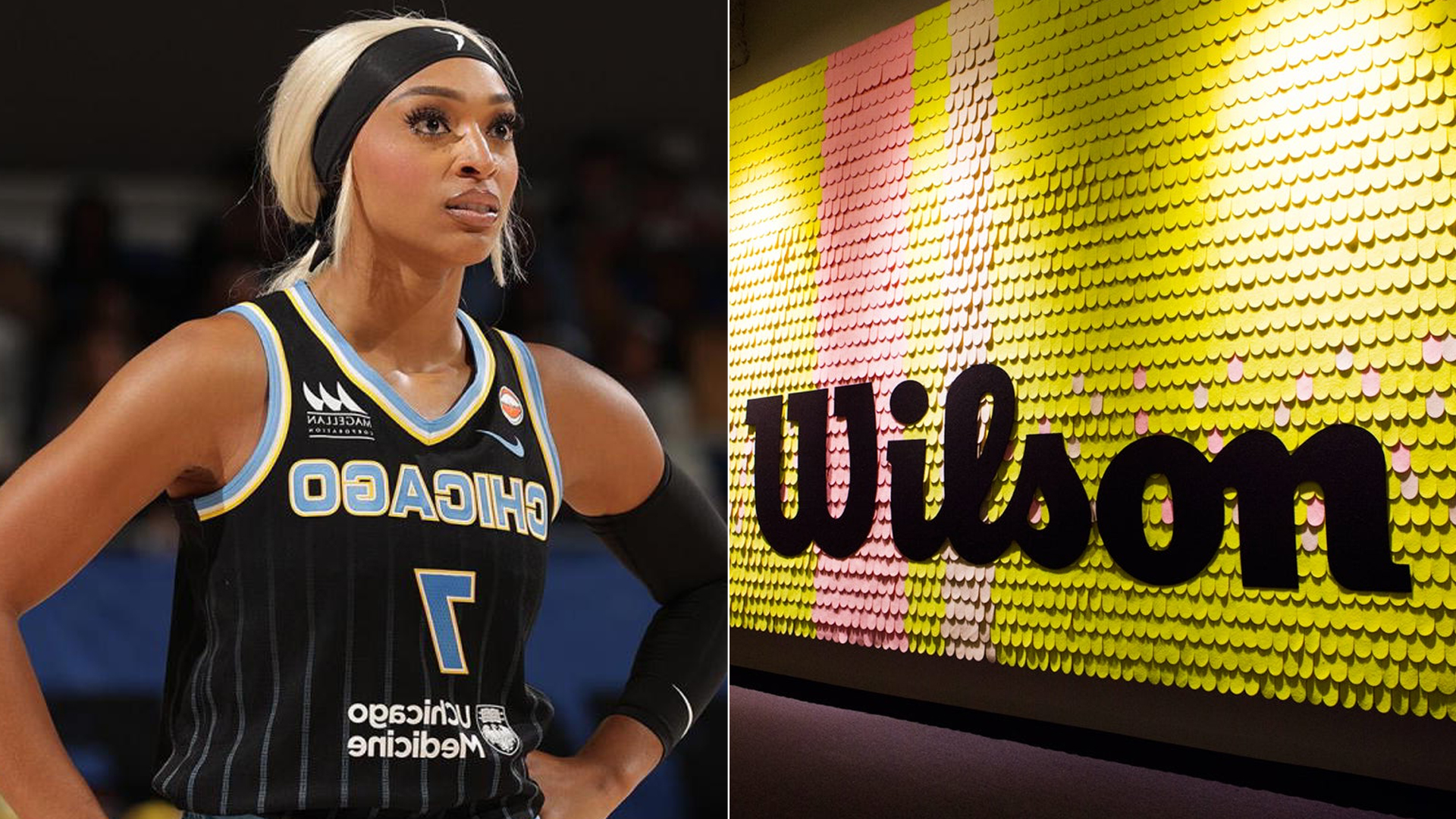
Wilson Sports has ended its 10-year partnership with WNBA star DiJonai Carrington following her highly publicized confrontation with Sophie Cunningham.
The decision marks a major development for Carrington, who had maintained a long-running relationship with the sports brand. Wilson said it ultimately decided to end the partnership after reviewing the incident and considering whether Carrington still represented the image the company wants associated with its athletes and ambassadors.
“She no longer embodies the values that we stand for as an organization and the values that we hope to represent through our athletes and brand ambassadors,” the company said.
The announcement comes after the confrontation between Carrington and Cunningham became one of the most talked-about moments surrounding the WNBA. Carrington was ejected following the incident, which was later upgraded to a Flagrant 2 after officials reviewed the play.
The controversy continued after Carrington posted a message on social media that generated an even stronger reaction. Cunningham pushed back against the racial interpretation surrounding the incident, saying she did not believe the confrontation had anything to do with race.
Carrington later clarified that she was not claiming the Flagrant 2 decision itself was the result of “white privilege.”
Despite the clarification, the controversy continued to spread, eventually reaching the business side of Carrington’s career.
Wilson had been associated with Carrington for a decade, making the decision particularly significant. Long-term sponsorship relationships can become an important part of an athlete’s identity, especially when the athlete is featured in advertising campaigns, promotional material and other brand activities.
The company did not provide extensive details about the decision, but its statement made clear that it no longer believed Carrington was the right fit for the partnership.
The move has prompted debate among fans. Some argue that an athlete’s sponsorship deals should be separate from controversial moments on the court and that companies should not abandon athletes after a single incident. Others believe brands have the right to decide who represents their values and how their public image is presented.
For Carrington, losing a partnership that lasted 10 years represents a significant change.
The situation also raises questions about whether other companies associated with the WNBA star could make similar decisions. When a controversy moves beyond the court and into sponsorships, the financial consequences can become much more serious for an athlete.
Carrington has not publicly responded to Wilson’s announcement or addressed the end of the decade-long partnership.
The company, meanwhile, appears ready to move forward without her.
Wilson’s decision adds another chapter to the fallout surrounding the Carrington-Cunningham confrontation and ensures that the controversy will continue to be discussed well beyond the original game.
For an athlete who had spent 10 years representing one of the biggest names in sports equipment, the end of the partnership marks a notable turning point.
And with Carrington yet to respond, attention will now turn to whether she addresses the breakup publicly or simply moves on to the next chapter of her career.