
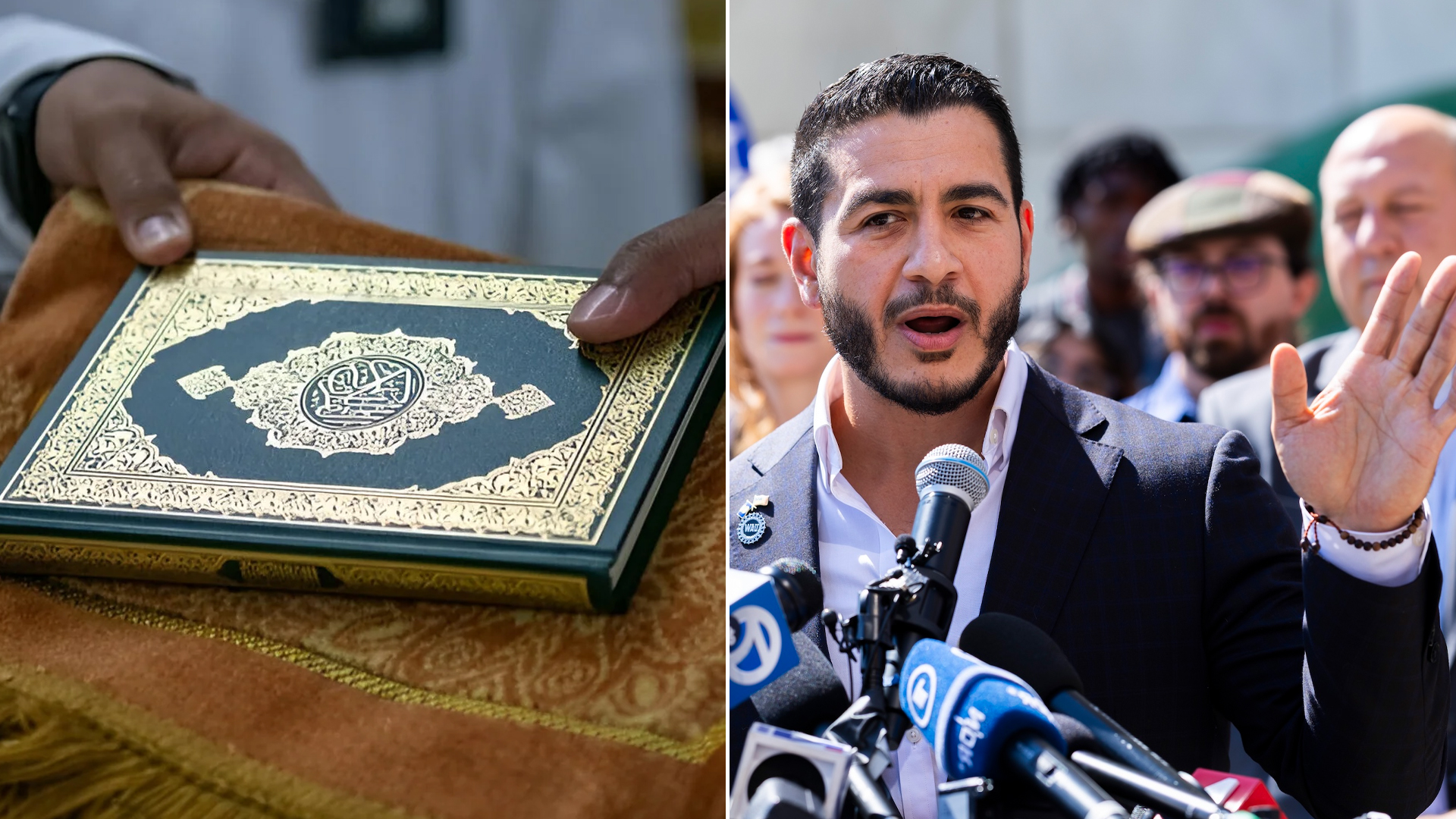
Abdul El-Sayed is preparing to make history in Washington after winning Michigan’s U.S. Senate race, becoming the first Muslim elected to the chamber. Now, attention is turning toward his upcoming swearing-in ceremony and whether he will choose the Holy Quran as part of the occasion.
The 42-year-old Democrat defeated Republican Mike Rogers in the November 3 election, securing the seat being vacated by retiring Senator Gary Peters.
His victory marked a historic moment for Muslim Americans, particularly after a campaign in which his religion became a major point of controversy.
El-Sayed is expected to take office in January 2027. While there has been discussion about the possibility of him using the Quran during a ceremonial swearing-in, no official announcement confirming that arrangement has been made. Still, the possibility carries considerable significance.
For El-Sayed, religion has never been something he has tried to hide from voters. Throughout his campaign, he spoke openly about his Muslim identity and his belief that public service should be guided by responsibility toward others. His faith also became a target during the election.
President Donald Trump and several prominent Republicans criticized El-Sayed over his religious background and questioned his alleged connections to extremist organizations. El-Sayed rejected those accusations, insisting that he had never belonged to the Muslim Brotherhood.
Despite the attacks, Michigan voters elected him to the Senate. During his victory speech in Detroit, El-Sayed celebrated the result with supporters and made a point of addressing Vice President JD Vance.
He jokingly called Vance “habibi,” an Arabic expression meaning “my dear,” before pointing out the irony of the vice president’s customary role in administering the Senate oath.
The remark quickly attracted attention online. Under Senate tradition, the vice president normally administers the oath to incoming senators. That means Vance is expected to participate in the ceremony when El-Sayed joins the chamber.
The possibility of a Quran being used has added another dimension to the discussion.
However, the Constitution does not require senators to swear on a Bible, Quran, or any other religious text. The official oath is a commitment to uphold the Constitution, and lawmakers may choose whether to incorporate religious traditions into separate ceremonial proceedings. There is already a notable precedent in Congress.
In 2007, Keith Ellison became the first Muslim elected to the U.S. House of Representatives. During his ceremonial swearing-in, he used a Quran that had belonged to Thomas Jefferson.
That moment attracted considerable national attention and sparked debate about religious freedom and American political traditions.
Nearly two decades later, El-Sayed’s election has brought similar questions back into the conversation. For many supporters, the possibility of a Muslim senator using the Quran represents the country’s constitutional commitment to religious freedom.
Others have focused on the political significance of El-Sayed’s victory, particularly after an election in which his religious identity received so much attention.
But the senator-elect has made clear that he wants his time in Washington to be about more than breaking barriers. His campaign emphasized healthcare, reducing costs for working families, and limiting the influence of money in politics.
He has also launched a political action committee called Habibi PAC, suggesting that he intends to build relationships and support other candidates after arriving in Washington.
For now, the precise arrangements for his January ceremony remain to be announced. Whether El-Sayed chooses the Holy Quran or not, his arrival will represent a first in American Senate history.
And after a campaign in which his faith became such a prominent issue, the moment he takes the oath will carry meaning far beyond the ceremony itself.