
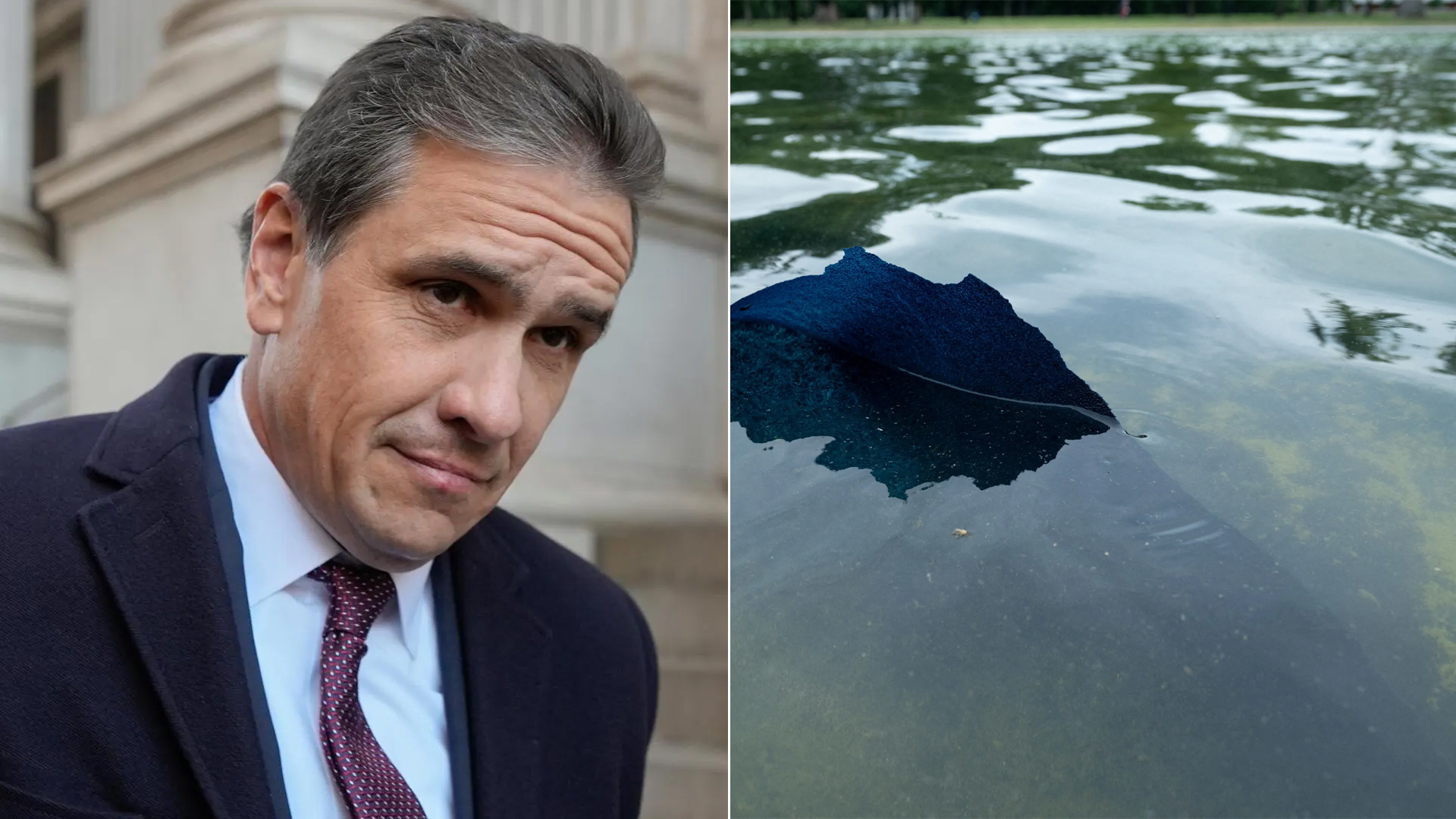
Two people accused of dumping algae into the Reflecting Pool at the Lincoln Memorial are now facing an even more serious legal battle after Attorney General Todd Blanche reportedly announced additional federal hate crime charges.
The case had already attracted national attention because of the damage allegedly caused to one of Washington’s most recognizable landmarks. But Blanche believes ordinary vandalism charges do not adequately describe what happened.
According to the attorney general, the incident was more than an attempt to damage public property. He described it as an attack on the country and the values represented by the memorial. “Calling it sabotage doesn’t cover it,” Blanche reportedly said. “It was an open assault on Americans and on what we stand for.”
The two suspects, described in the account as Antifa operatives, were allegedly captured on camera dumping algae into the water. Investigators have been examining the footage and other evidence as they build their case.
Blanche says the government believes it has substantial evidence against the pair. He even suggested that the material collected by investigators would be enough to fill a truck. The addition of hate crime charges could dramatically change the legal consequences facing the suspects.
According to the claims surrounding the case, a conviction under the proposed charges could carry a mandatory 20-year sentence. That is an enormous potential punishment, and it is likely to become a major point of debate as the proceedings move forward.
The Reflecting Pool is part of the historic grounds surrounding the Lincoln Memorial. Millions of visitors travel to the location, making it one of the most recognizable public spaces in the nation’s capital. Federal officials argue that deliberately targeting such a landmark should be treated seriously.
However, prosecutors would still need to establish the legal elements of the charges in court. The fact that an act involves political symbolism or damages a national monument does not automatically make it a hate crime. That distinction could become important as the case develops.
Blanche appears confident that investigators have gathered enough material to support the government’s position. He has indicated that the evidence will be presented as the legal process continues.
The defense, meanwhile, would have the opportunity to challenge both the allegations and the additional charges. For now, the suspects are facing a potentially lengthy legal battle.
What began as an incident involving a small amount of algae has become a major federal case, with the attorney general signaling that prosecutors intend to pursue the matter aggressively.
Blanche’s message is that attacks on national landmarks should not be dismissed as ordinary political demonstrations.
Whether the hate crime charges survive legal scrutiny remains to be seen. But the government is clearly preparing to make this case a major test of how seriously such incidents are treated.