
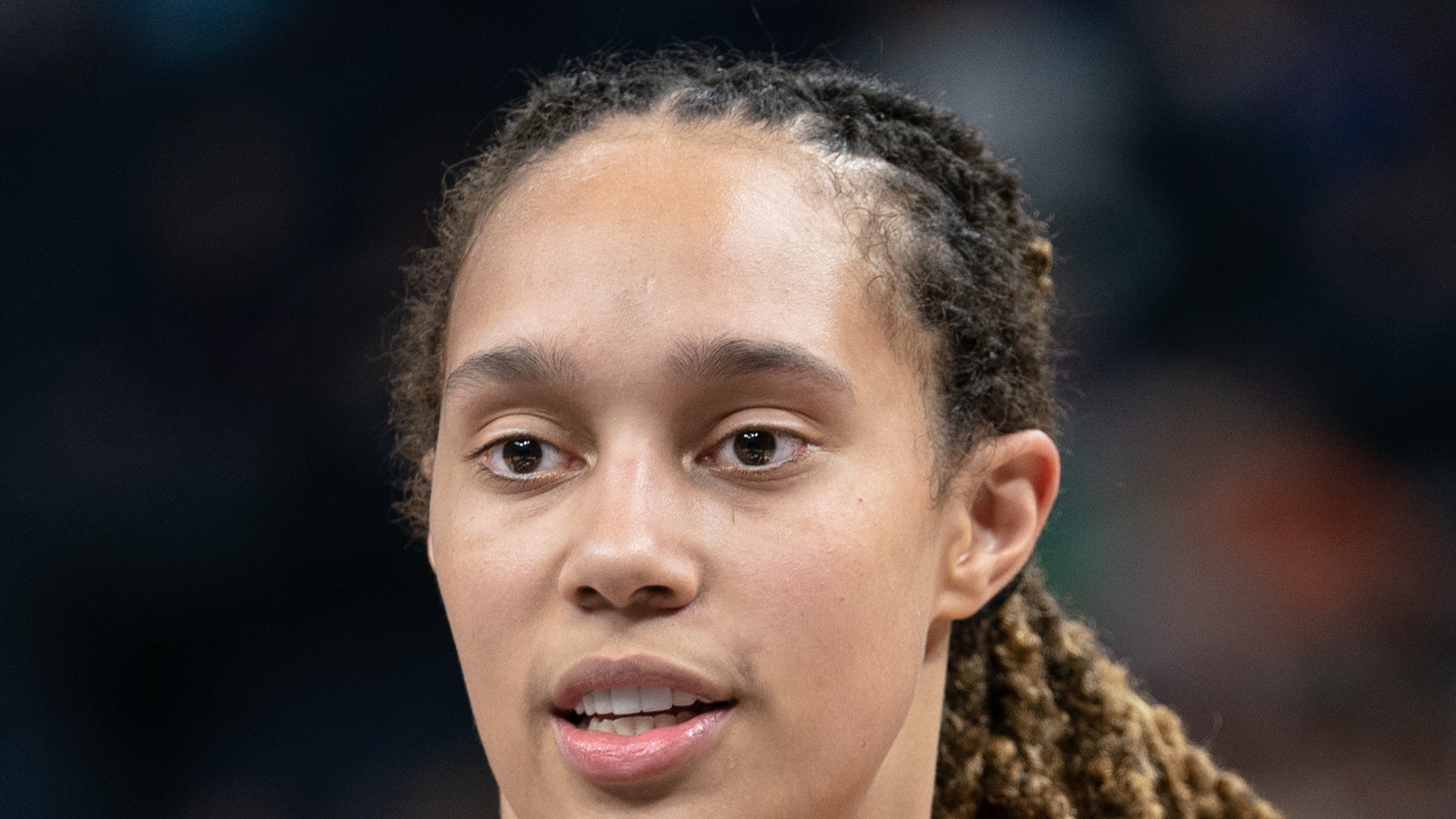
The WNBA has found itself at the center of another controversy after claims began circulating that the league has been sitting on undisclosed evidence involving several of its players.
The allegations have quickly turned into a social-media firestorm, with critics demanding to know what information the league has, who has seen it, and why the public supposedly hasn’t.
At the center of the controversy is Brittney Griner, along with four other players whose names have become part of the online speculation.
The claims have been repeated across social media, where supporters and critics of the league have spent the last several days arguing over everything from eligibility rules to competitive fairness.
The WNBA, meanwhile, has continued to face questions about its policies and transparency. That is where things get particularly messy.
The league has spent years dealing with debates surrounding player eligibility, competitive advantages, and how its rules should apply when questions arise about athletes’ eligibility.
Now critics are demanding something they say should be simple: Show the evidence. If there is no evidence, they argue, the claims should be dismissed.
If there is evidence, they want to know why it has not been addressed publicly. And if the information is confidential, they want the league to explain what rules prevent it from discussing the matter.
The controversy has also reignited a much broader argument about women’s sports.
Fans who already believe the WNBA has been inconsistent in explaining its policies say the latest controversy is another example of the league allowing speculation to grow instead of addressing questions directly.
Others say the entire discussion has become a social-media circus built around claims that have not been independently established. That distinction matters.
An accusation repeated a thousand times online doesn’t automatically become evidence, and a screenshot isn’t the same thing as an official league document.
Still, the controversy isn’t disappearing. Every time the WNBA refuses to address a particular claim, critics interpret the silence as suspicious. Every time someone demands proof, supporters argue that private medical and personal information should not be turned into public entertainment.
And somewhere in the middle is the league itself, trying to maintain its policies while dealing with an internet that has absolutely no interest in waiting patiently for answers.
The WNBA now has a choice. It can continue ignoring the controversy and hope it disappears. Or it can explain exactly what its eligibility policies require, what information is actually reviewed, and what evidence—if any—exists concerning the claims now spreading online.
Because once a story reaches this level of attention, simply saying “trust us” rarely ends the conversation. It usually makes people ask even more questions.
For the WNBA, the biggest problem may not be one particular player or one particular allegation. It may be the growing perception among critics that the league has something to explain. And until those questions are answered clearly, the controversy is likely to keep bouncing from one social-media feed to another.