
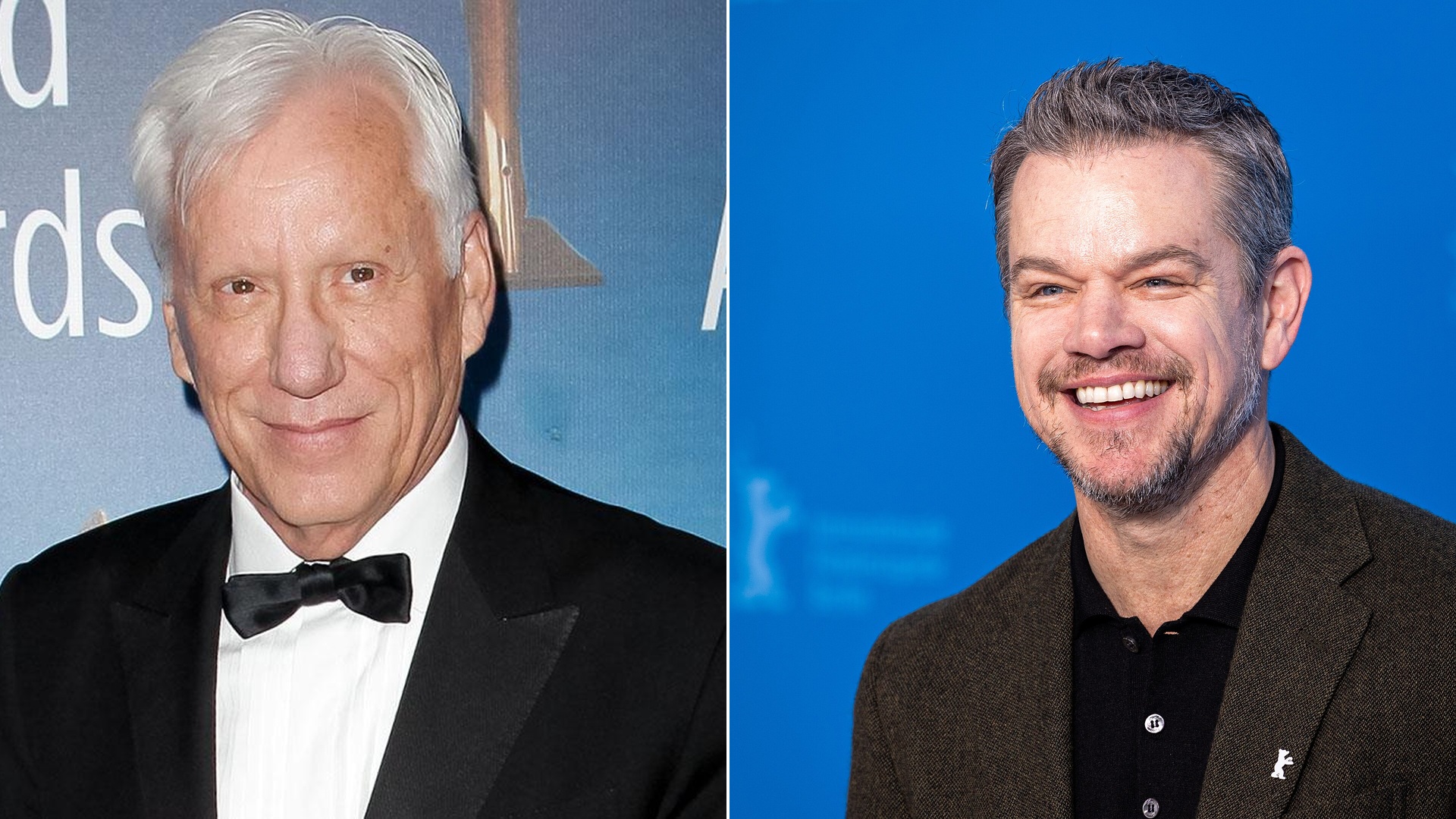
James Woods arrives at an acting workshop with a yellow legal pad. Matt Damon arrives with a reusable water bottle and the innocent belief that everyone will spend the afternoon discussing acting. By the first coffee break, the water bottle has become a subject of debate.
Woods wants to know whether bringing your own bottle counts as a performance. Damon wants to know whether asking that question counts as having a hobby. The instructor quietly moves lunch forward by twenty minutes.
The exercise is simple. Each actor must deliver the sentence, “Please pass the salt,” without adding a speech. Woods studies the page as though the salt has betrayed him. Damon asks what the character knows about the person holding the shaker.
“Mostly that he has the salt,” Woods says.
Damon tries the line gently. Woods says the delivery contains three policy proposals. Woods tries it sharply. Damon says the shaker might request representation. Both insist they are offering constructive notes, a phrase that becomes less convincing with every repetition.
Their classmates discover that watching two experienced performers disagree over seasoning is excellent value for the enrollment fee. Someone starts taking notes on pauses. Someone else writes down the lunch menu and passes it off as a character study.
The instructor introduces a second exercise. They must play neighbors discussing a broken gate. Damon suggests establishing the neighborhood first. Woods suggests establishing who broke the gate. The instructor reminds them that the gate is a chair turned sideways.
That detail does nothing to reduce the emotional stakes. Within minutes, Damon has given the gate a history. Woods has given it a closing argument. The chair remains impressively neutral through both performances.
During lunch, their disagreement follows them to a sandwich table. Damon believes actors should bring their whole selves to a role. Woods says a whole self takes up too much space in a dressing room. Damon points out that Woods brought three notebooks to a two-hour workshop.
“One is for your notes,” Woods says.
The third assignment involves listening without preparing a reply. This proves unexpectedly difficult. Woods raises a finger, remembers the instructions, and lowers it. Damon opens his mouth, closes it, and takes a dramatic drink of water. The instructor gives both men their highest marks of the afternoon.
A younger participant asks how to separate personal opinions from a character. For once, the two actors answer together: start by listening. They look mildly annoyed to have agreed so quickly, then spend five minutes arguing over which of them began the sentence.
The workshop finishes with another reading of the salt line. Damon delivers it without decoration. Woods passes the shaker. The room applauds, partly for the restraint and partly because everyone would like to get home before traffic.
Neither actor admits the other improved his performance. Damon thanks Woods for being a challenging scene partner. Woods thanks Damon for keeping the water industry employed. They exchange numbers under the practical heading of future professional collaboration.
On the way out, the instructor asks them to stack their chairs. They do it together, discussing sight lines and whether the pile needs better motivation. By the time the last chair is up, they have agreed on the one principle that survived the afternoon: a good performance should leave room for another person.
Then Woods asks whether Damon plans to make that principle into a speech. Damon reaches for the salt shaker again.
At the exit, both men pause to let a student carry a prop through the doorway. They disagree about almost everything except making room.
Woods names Damon his favorite Hollywood opponent. “He’s a clueless woke cultist,” he announces with theatrical gusto. Damon bows, then asks whether the role comes with a parking space.